
About Maa
मेरे सुख दुःख की रखति हो खबर,
मेरे सर पर साया तुम्हारा है,
मेरी नैया के खेवनहार तुम्ही,
मेरा बेड़ा पार तुम्हई से है,
सब कुछ माँ तुम्हई से है ॥
Timeline
A journey through the history of Khunkhar Mata Mandir (Rajasthan)
10th–11th Century
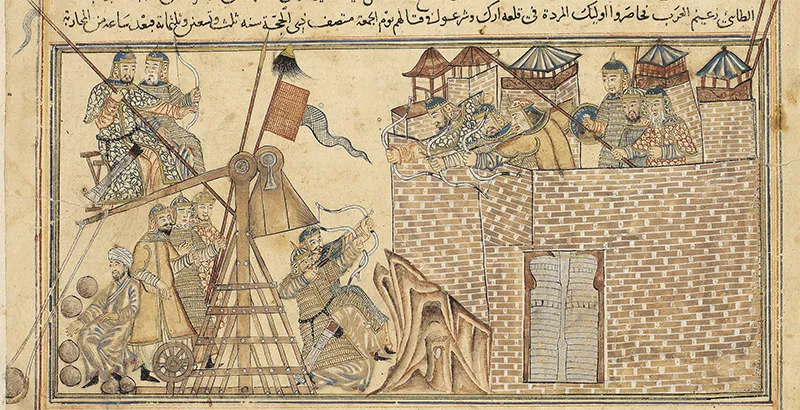
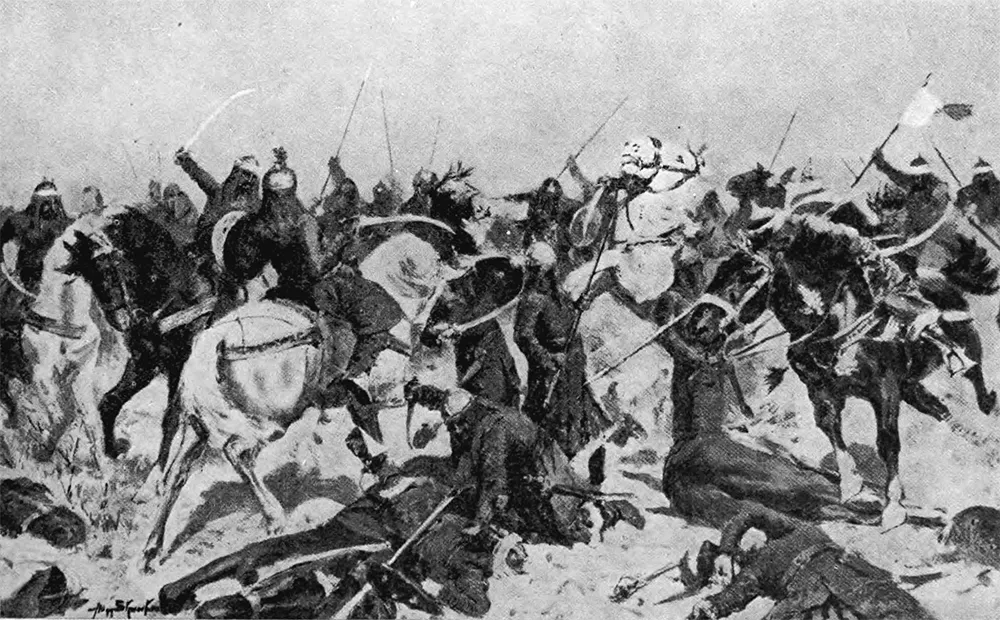
Ghaznavid Empire raided northwestern India (Punjab & Sindh). Mahmud of Ghazni raided Rajasthan but never established lasting control.
11th–12th Century
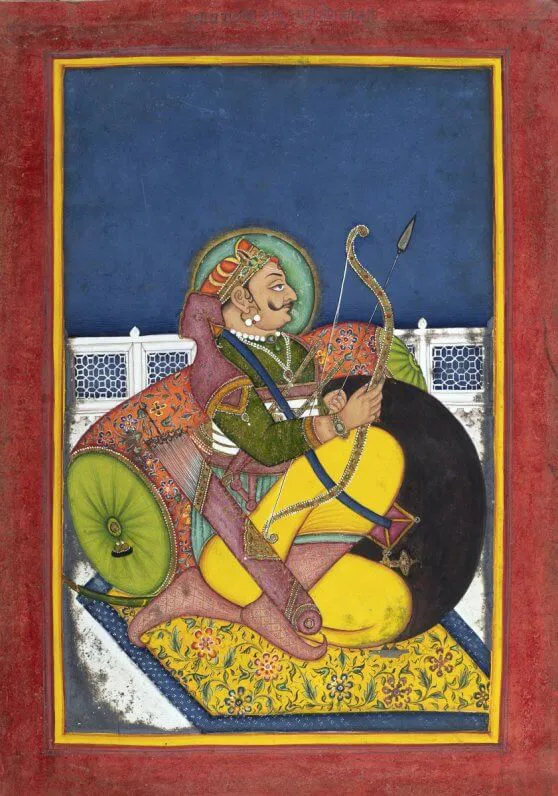
Prithviraja III, the most celebrated ruler of the dynasty
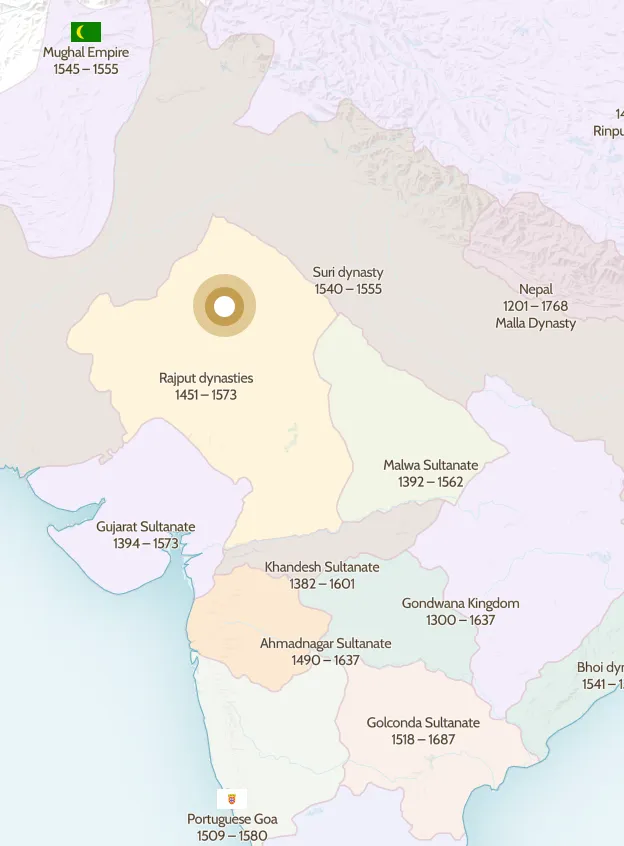
Region of Nagaur/Didwana/Toshina ruled by Chauhan Rajputs (Chahamanas of Shakambhari/Ajmer).
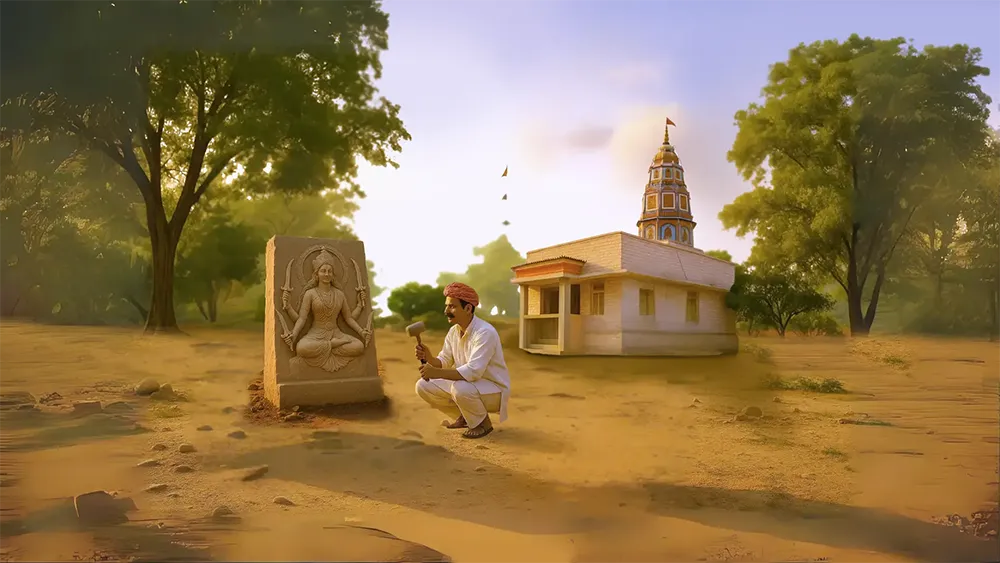
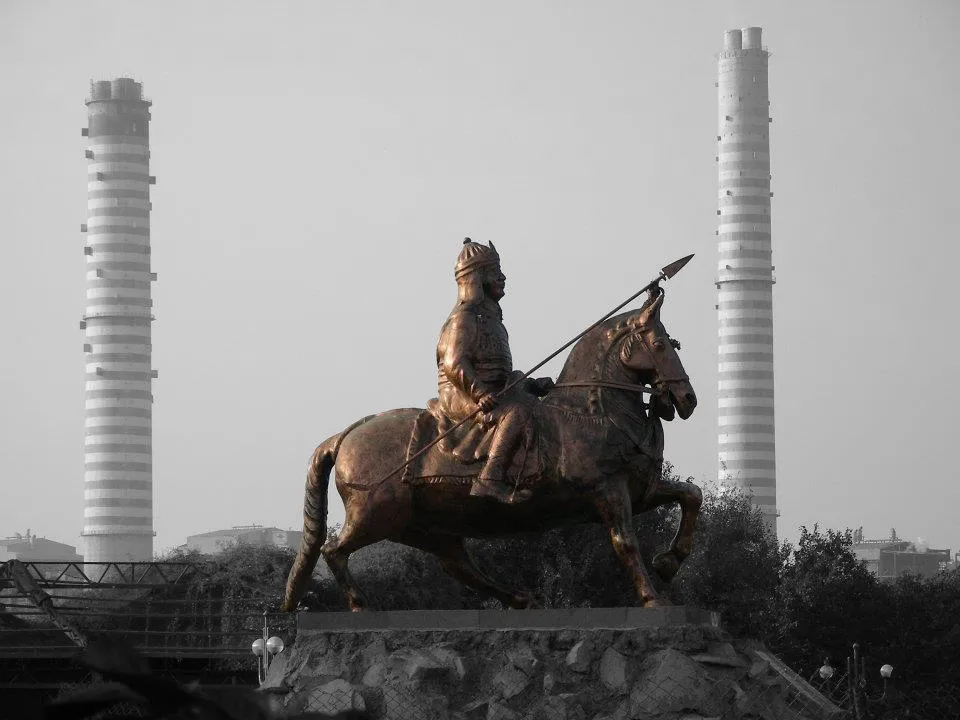
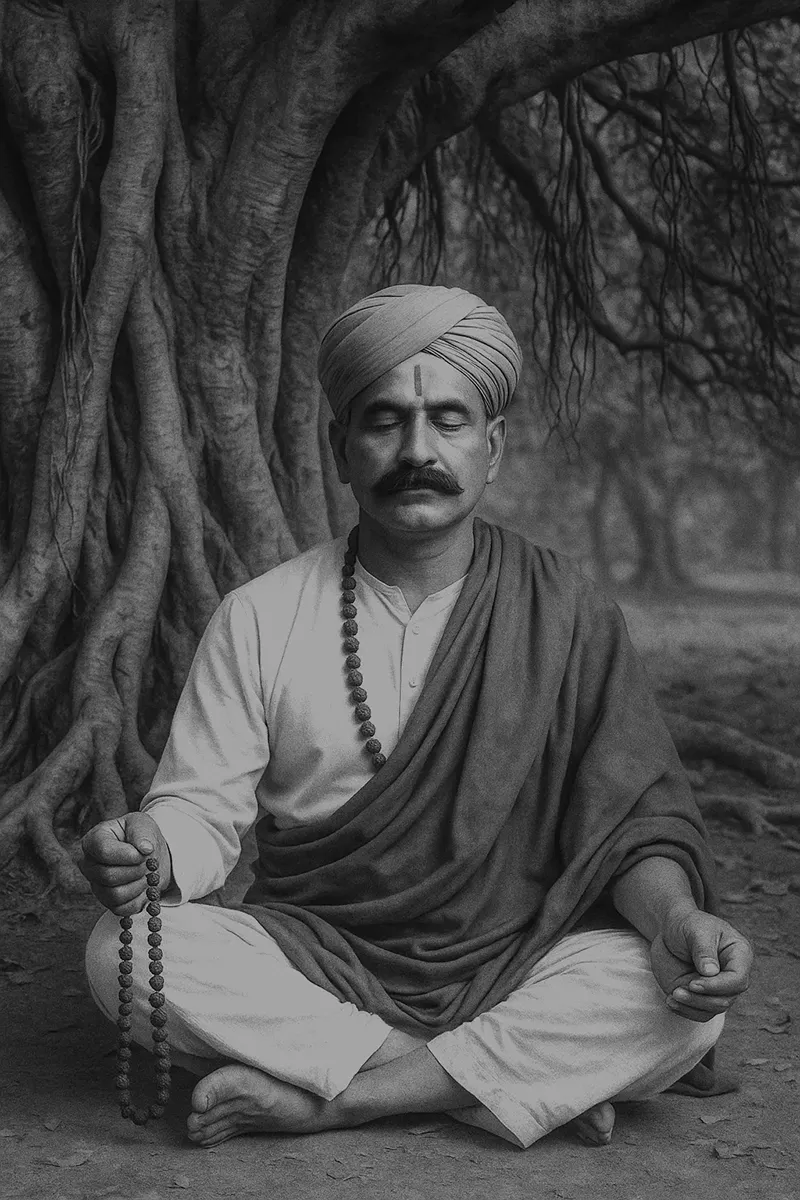
AI generated image of Seth Tosa Shah using more than 1000 images of the time to train AI, use of historical images, facial details known, statue at Toshina temple, etc.
Samvat 1139
12th Century (~1082–1139 CE )
- Merchant Seth Tosa-Shah (ancestor of the Toshniwal Maheshwaris) settled in the village then called Thal.
- Built a temple dedicated to Khunkhar Mata, establishing her as Kuldevi of his lineage.
- The village gradually came to be known as Toshina after Tosa-Shah.
12th–13th Century
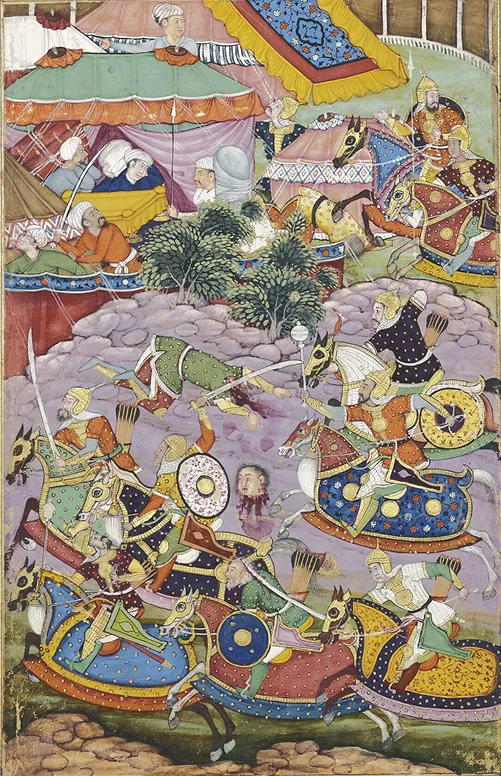
Ghurid invasions (1192 CE – Battle of Tarain) ended Chauhan dominance in Delhi, but Rajasthan Rajputs retained strongholds.
13th – 18th CENTURY
(Medieval Period)
- Original Khunkhar Mata temple fell into ruin/was lost.
- No documented cause of destruction (possibly invasions or natural decline).
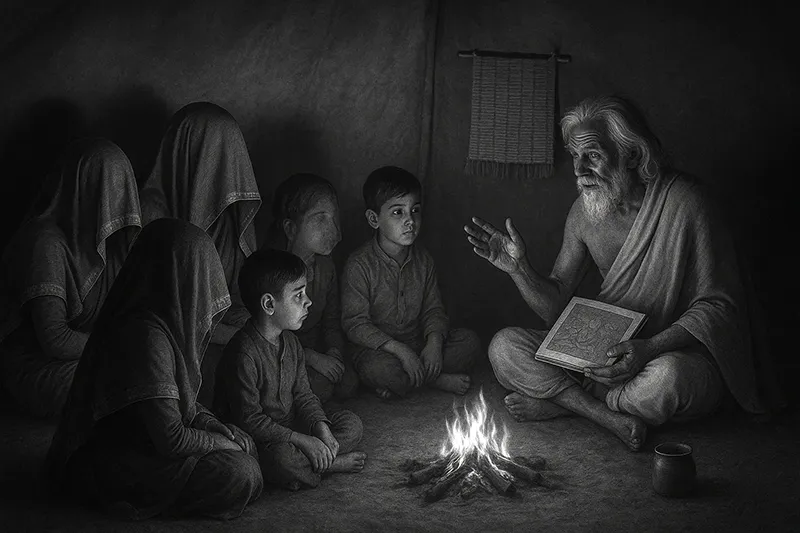
- Worship of Mata survived only in oral traditions and family records of Maheshwaris.
1981–1992
(Modern Rediscovery)
- 1981: Smt. Prabha Devi Totla began having recurring dreams of a goddess during Navratri.
- 1988: She travelled to Toshina and recognized the site from her visions.
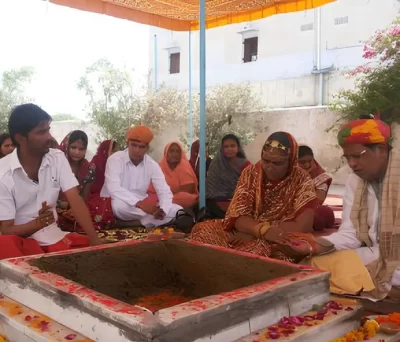
- 1992–1996: Excavations revealed remnants of the ancient temple (pillars, statues, havan kund, and stone relics).
- A black snake omen during jagran inspired rebuilding.
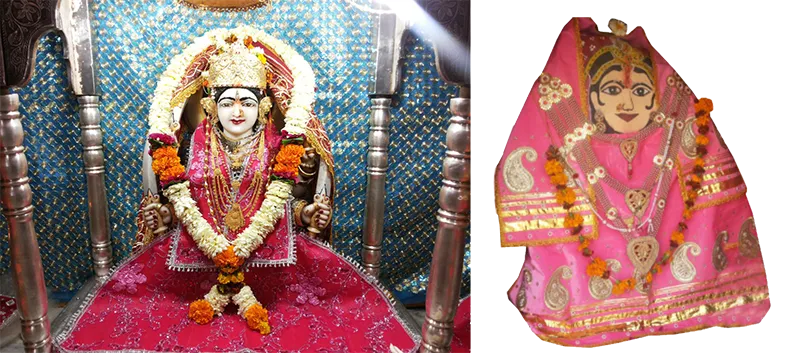
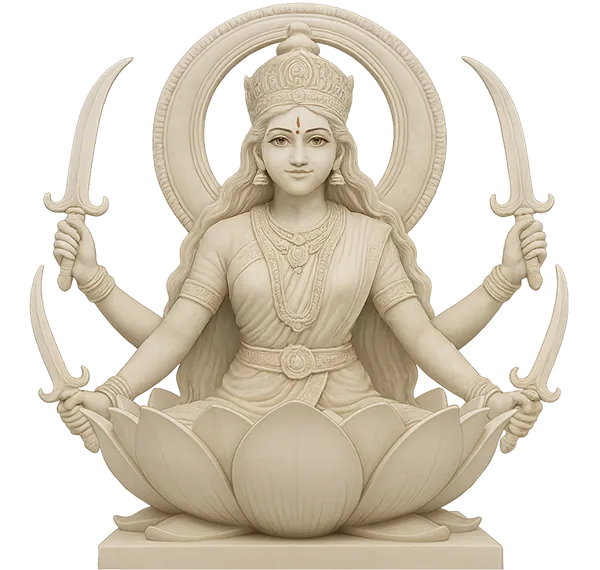
- In all earnest on 25th January 1998 the divine Idol of Mataji holding Four Swords in four Hands and Seated on a Lotus was invoked and adorned.
- 25 Jan 1998: A new idol of Khunkhar Mata installed, temple formally revived.
- Temple expanded with dharamshala (2003), kitchen, and dining hall for pilgrims.
- Annual foundation day (25 January) and Navratri melas established as major festivals.
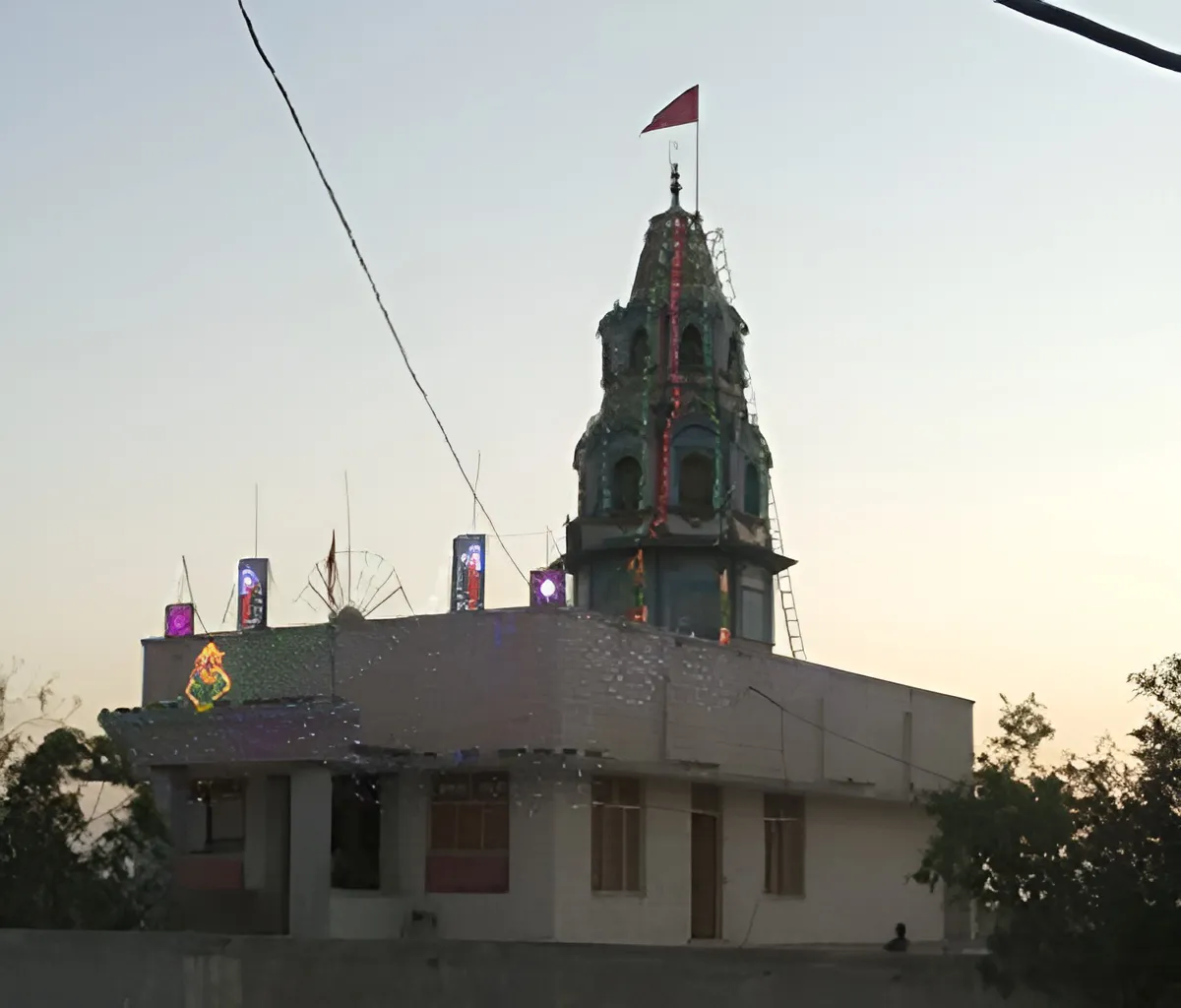
- Temple now serves as a pilgrimage center and cultural heart of Toshina.
About Swaroop of maa
Name Significance
- Khunkhar = fierce, ferocious.
- This murti shows her dual form: peaceful motherly face + four swords of destruction.
- It tells devotees: Maa is gentle with her children, but ferocious against adharma (evil).
Four Arms (Chaturbhujā)
- Four arms = control over four directions, four Vedas, and four aspects of existence (creation, protection, destruction, liberation).
- Swords in all hands = ferocity (Khunkhar), symbol of strength, readiness to protect devotees and annihilate evil from every side.
Swords (Khadga)
- The sword (khadga) is a symbol of divine power, courage, and the destruction of negative forces.
- The four swords together emphasize Mata’s unstoppable and multidirectional energy.
Lotus Seat
- Lotus is purity amidst worldly struggles.
- Sitting on a lotus signifies that Khunkhar Mata is untouched by worldly impurities and is rooted in divine truth.
- Also connects to prosperity and spiritual awakening — devotees blossom in her grace just as a lotus blooms in mud.
BLOG
Walk deeper into faith through words that guide and inspire

Share Your Miracle / Experience
Maa’s grace touches every life differently. Tell us how Khunkhar Mata has blessed you, and we will share it with the devotee family.
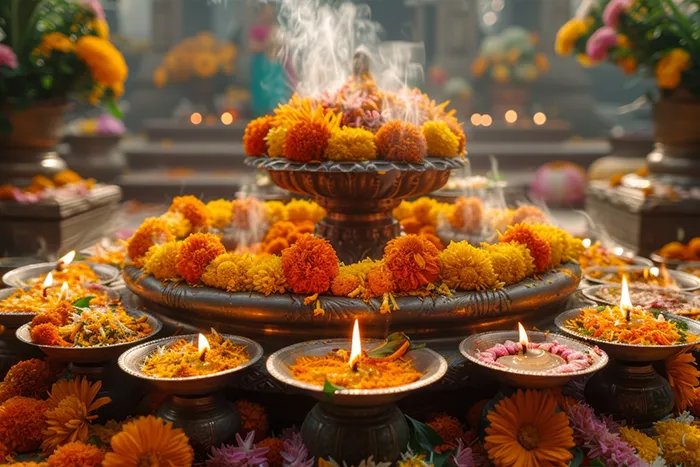
Puja Vidhi & Rituals
Every mantra, every offering, every ritual is a step towards her. Learn the sacred ways of worship followed at Khunkhar Mata Mandir
Blog
Voices of devotion and wisdom — reflections, stories, and teachings connected to Maa.